

Three Common Misconceptions of Beginner Motorcyclists
October 03, 2026
No one is born an expert. One of the biggest challenges for a novice is learning to recognize things that seem obvious but are actually traps. Here are three of the most common misconceptions that the author of this article has observed among riders at the beginning of their journey.
“I completed a basic course and got my license — that means I’m ready for the road.”
Not quite. Successfully graduating from a motorcycle training course only means that you have mastered the basics: shifting gears, braking, and maneuvering at low speeds in the controlled environment of a training lot. That has little to do with being ready to head out onto a high-speed highway in heavy traffic.
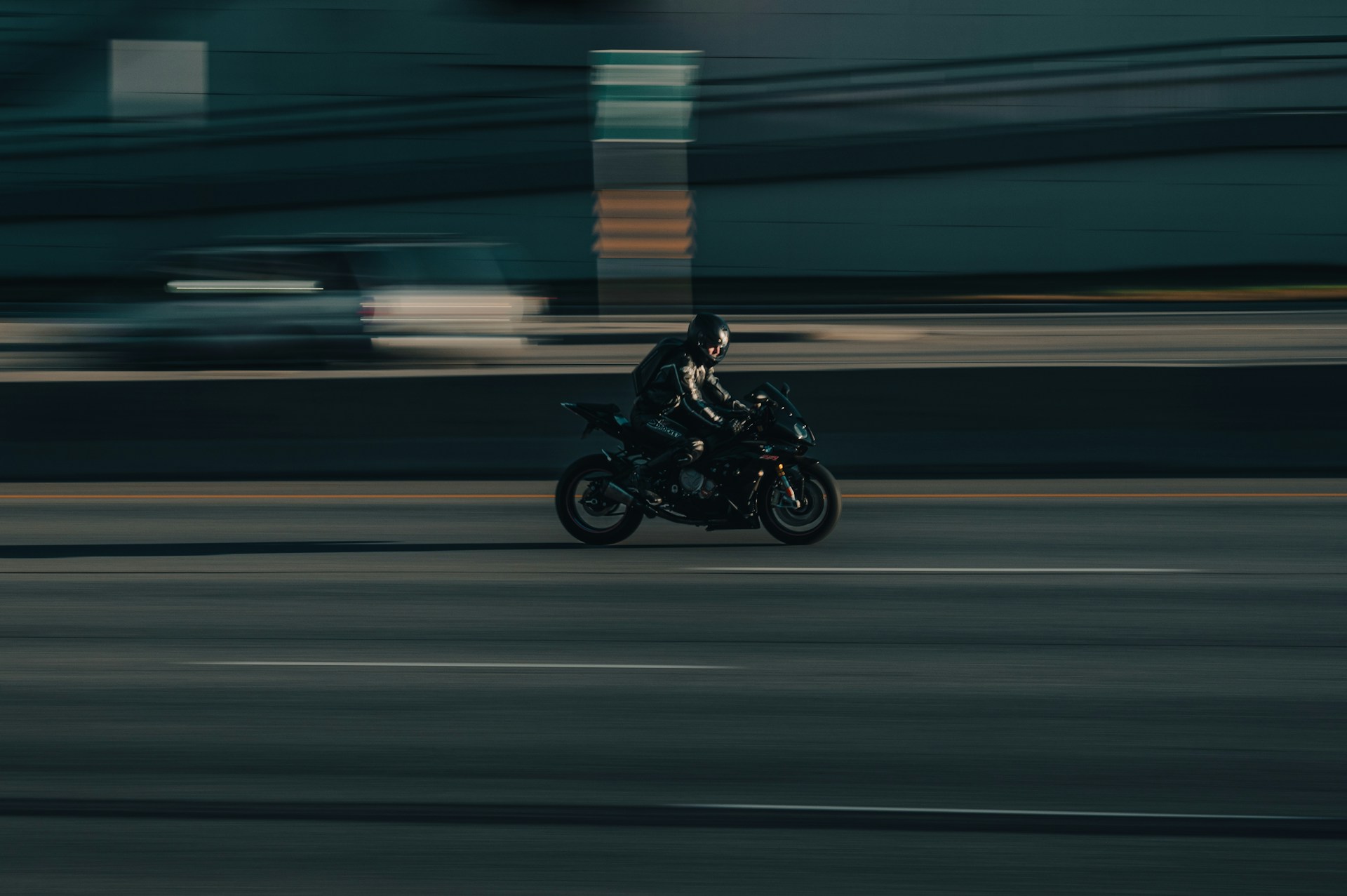
After buying your first bike, don’t rush. Start with short rides around your neighborhood. Get used to traffic, inattentive drivers, and changing levels of grip. Learn your motorcycle’s character: its power, weight, and braking performance. Make operating the controls, especially the turn signals, second nature. Once you feel confident on city streets, begin venturing onto highways, at first for just one or two stretches at a time, until it becomes routine.
Spending time building this foundation is the smartest decision you can make. Only when your skills become natural and you have logged your first few thousand kilometers should you move on to the next level of training. If a basic course is the equivalent of eighth grade, advanced training programs are high school and university. Over a couple of decades, the author of these lines has completed more than 20 training courses, some of them multiple times, and the most important lesson learned is this: there is always more to learn.
“Regular jeans and a jacket are enough when you’re starting out.”
The asphalt does not care whether you are a beginner or a professional, nor whether you are riding to buy bread or traveling around the world. It is equally hard and abrasive in every case. The consequences are even more serious in a collision with a car or a guardrail. No matter how expensive a full set of riding gear may seem, medical treatment and recovery will cost far more.
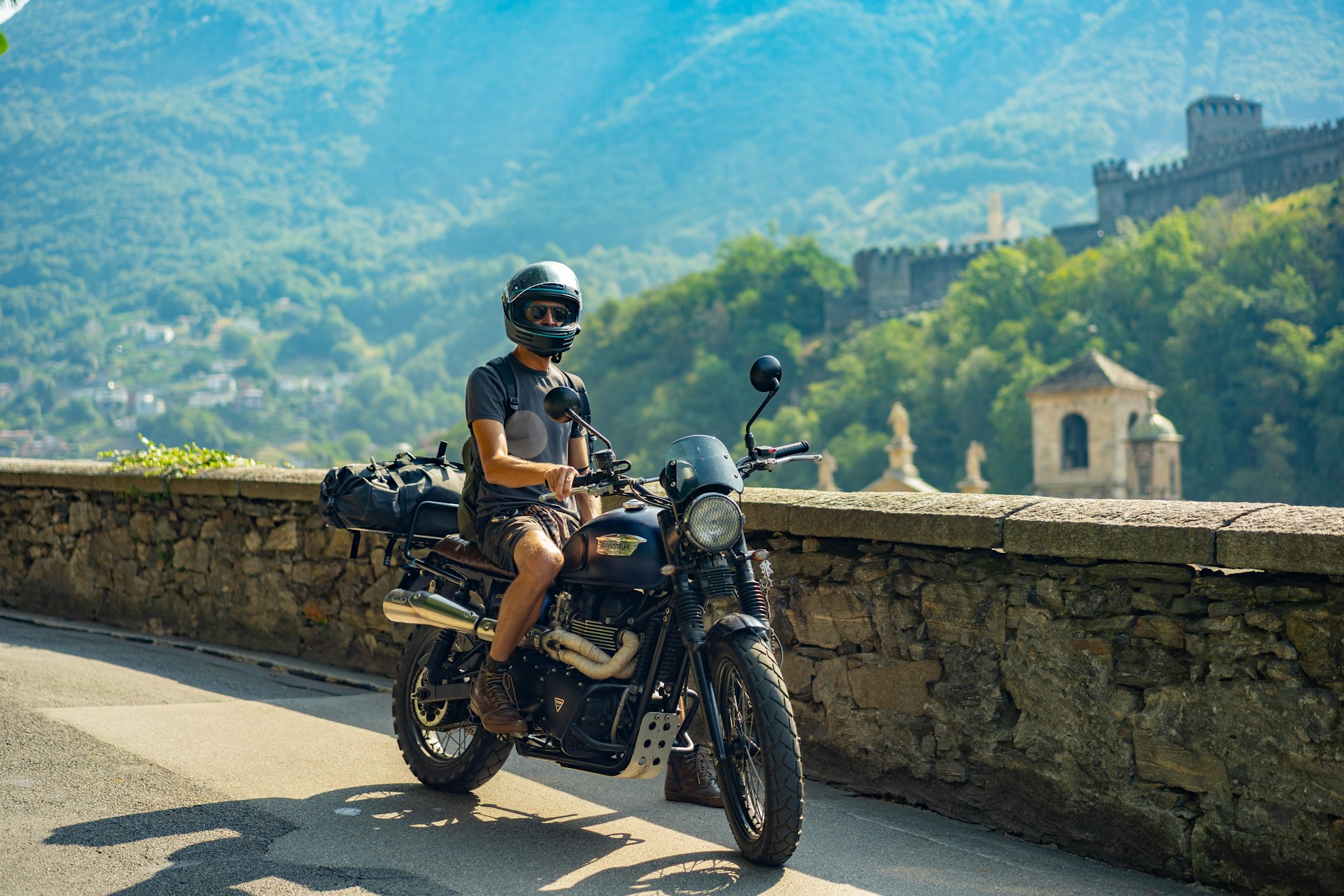
We strongly recommend using a high-quality helmet, along with a jacket and pants equipped with built-in protectors for the elbows, shoulders, back, hips, and knees. And gloves, of course. Preference should be given to protection that meets the ECE 22.06 standard (for helmets) and CE Level 2 (for the rest of the gear). Specialized motorcycle boots are also essential to provide solid ankle support and foot protection, as are gloves with high abrasion resistance. Your riding gear is the only safety zone that you take with you.
“I’ll quickly get bored with a small-displacement motorcycle.”
Think back to the training bike you learned on. Now imagine taking the same course on a machine that weighs 130 kg more and has twice the power. Would it have been easier? Far too many riders choose an excessively large and powerful motorcycle as their first bike. For your first season, we recommend an engine displacement of up to 250 cc.
Learning on a light and manageable motorcycle is the best way to develop your skills without unnecessary stress. If you later decide to move up to a more powerful machine, you will do so with much greater confidence, backed by a solid foundation. Remember the golden rule: it is always more important to upgrade the “software” (your skills) than the “hardware” (your motorcycle). The limiting factor is almost always the rider, not the machine.